Transcutaneous energy transfer

Durability, Safety, Comfort

Transcutaneous energy transfer: a key technology

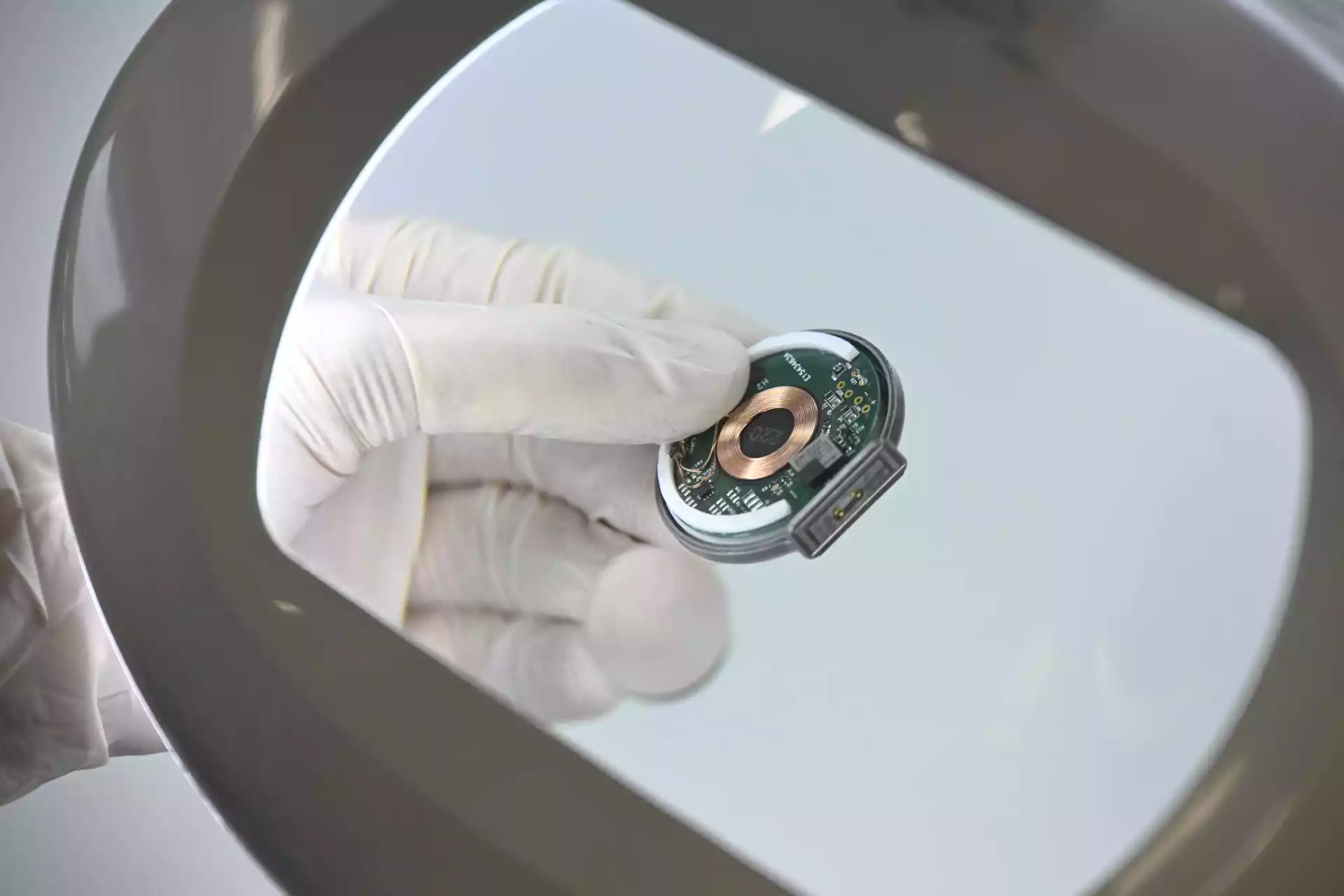
Transcutaneous energy transfer (TET) enables wireless energy transfer through the skin between an external unit and an implanted medical device. Based on the principle of inductive coupling, it allows the implant to be powered directly or an internal battery to be recharged, without a physical connection between the outside of the body and the device.

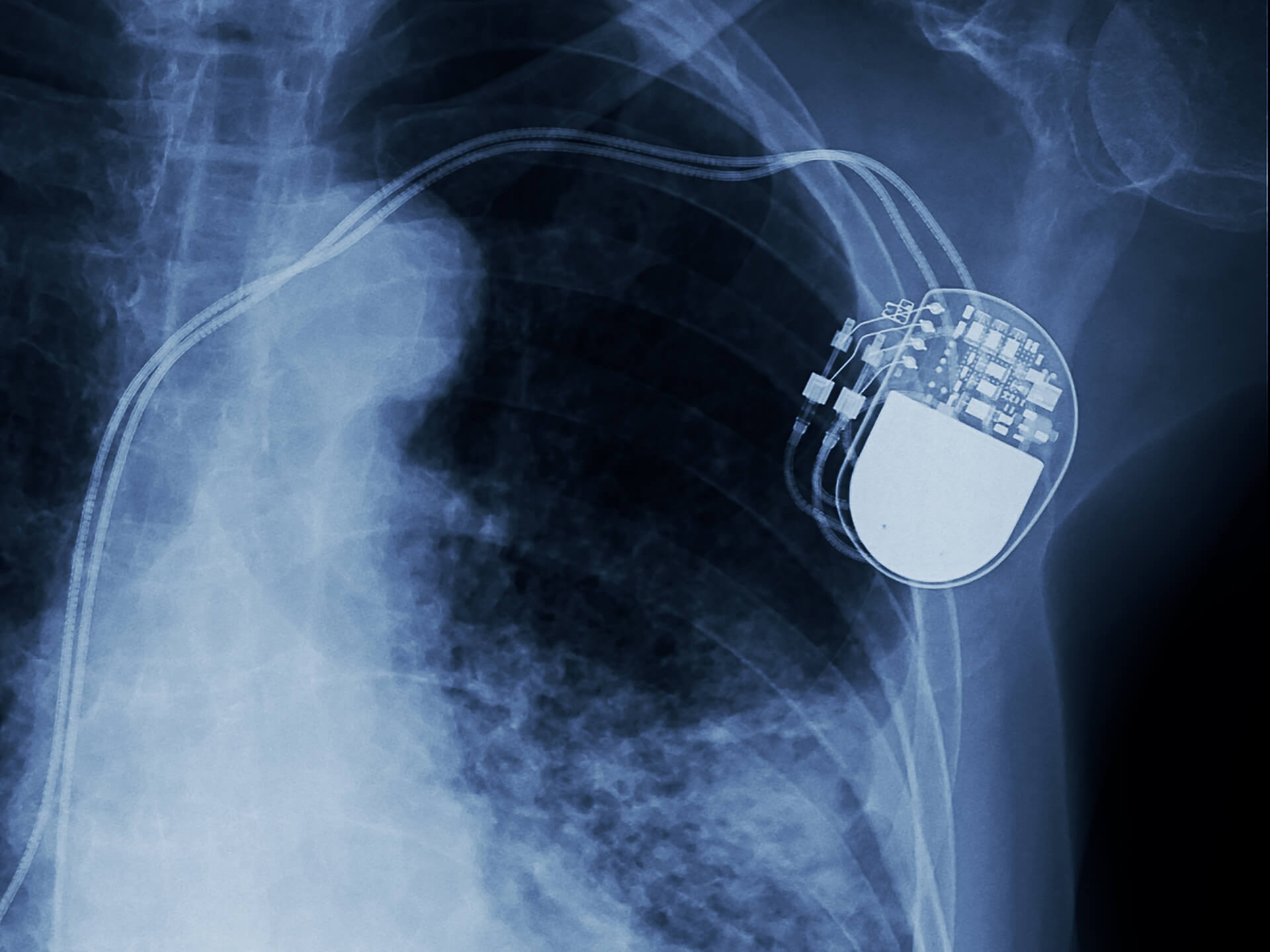
This technology offers an alternative to systems that rely exclusively on non-rechargeable batteries. It can thus help extend the operating life of active implantable medical devices and reduce the number of procedures required to replace their power source.

For next-generation implants, TET is a strategic feature that must be incorporated from the design stage, taking into account energy requirements, thermal constraints, coil placement, and the integration of electronics into the device.

Design an energy transfer solution tailored to your implant

The development of TET technology for an implantable medical device requires taking into account energy, thermal, mechanical, and physiological constraints simultaneously.

Cisteo MEDICAL and Tame-Care are working, in particular, on the various parameters needed to optimize the performance and integration of this technology:

  • Design of an Inductive Power Transfer System
  • Energy Efficiency Optimization
  • Mastering Warm-Ups
  • Managing Variations in Reel Positioning
  • Adaptation to the device's power requirements
  • Integration of the coils and electronics into the implant
  • Taking into account constraints related to encapsulation

The goal is to develop a high-performance solution that can be integrated into the medical device’s overall architecture.

Support from Design Through to Mass Production

Transcutaneous energy transfer must be taken into account from the earliest stages of development in order to anticipate its interactions with the implant’s other functions.

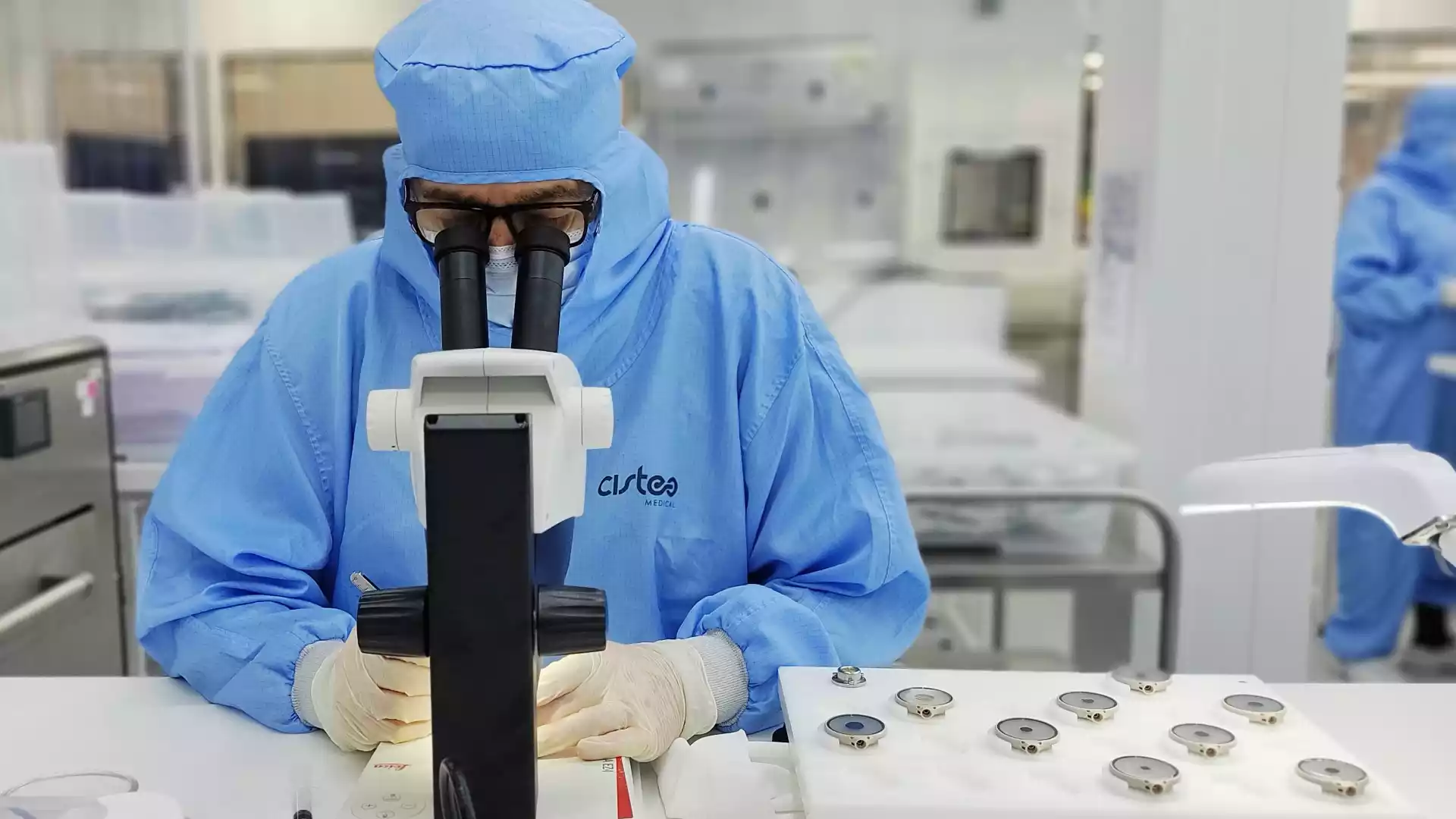
Cisteo MEDICAL supports projects involving implantable medical devices by addressing the challenges of design, prototyping, validation, and industrialization:
  • Needs Analysis: Defining the system’s energy requirements and constraints.
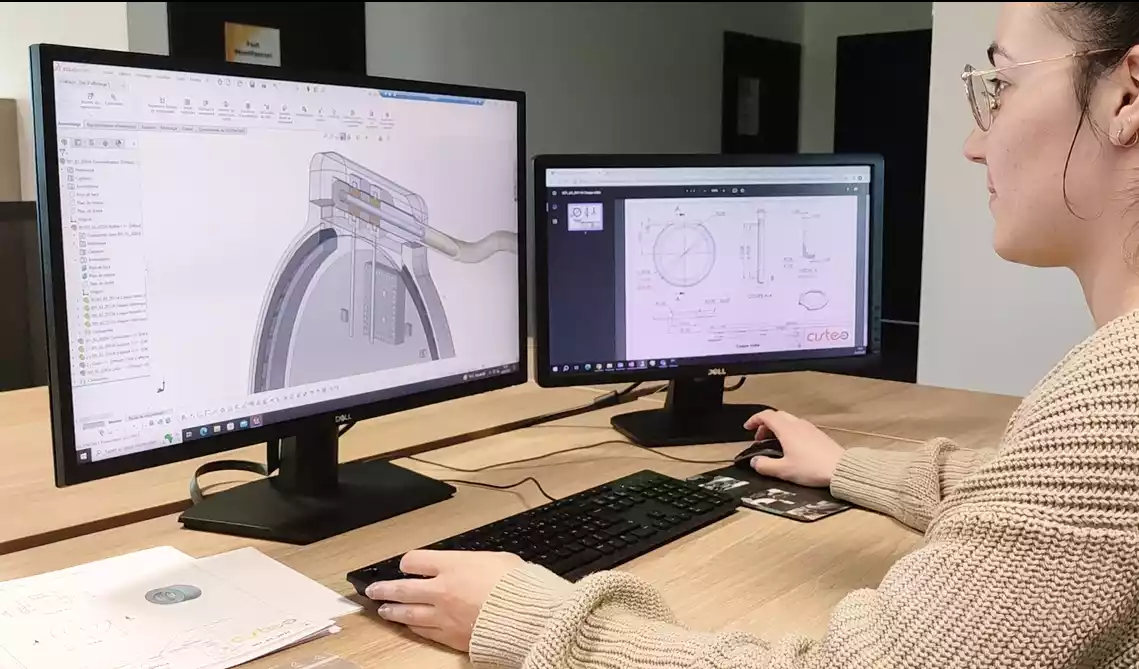
  • Design: Development of the TET architecture and its integration into the implant.
  • Prototyping: production of the first prototypes and performance characterization.
  • Validation: evaluation of the system's energy and thermal performance.
  • Industrialization: preparing the solution for controlled and reproducible manufacturing.
  • Production: In-house manufacturing of subassemblies or the entire device within the Group’s entities
Mass production of neurostimulators

Additional Expertise for Active Implants

The development of transcutaneous energy transfer draws on the complementary expertise of Cisteo MEDICAL and Tame-Care.

Cisteo MEDICAL brings its expertise in the design and integration of medical devices, mechanical engineering, encapsulation, industrialization, and manufacturing. Its ISO 13485 certification now covers the design, development, and manufacture of active implantable medical devices.

Tame-Care brings its expertise in medical electronics, power management, and technologies for active medical devices. This synergy allows us to approach power transfer as a function integrated into the implant as a whole.

Are you developing an Active Implantable Medical Device?

Are you interested in incorporating innovative encapsulation or energy transfer technologies into your device?

The teams at Cisteo MEDICAL and Tame-Care are here to support you in developing your project.

    Company icon

    User icon

    E-mail icon

    Phone icon

    Decoration block gray
    More Information