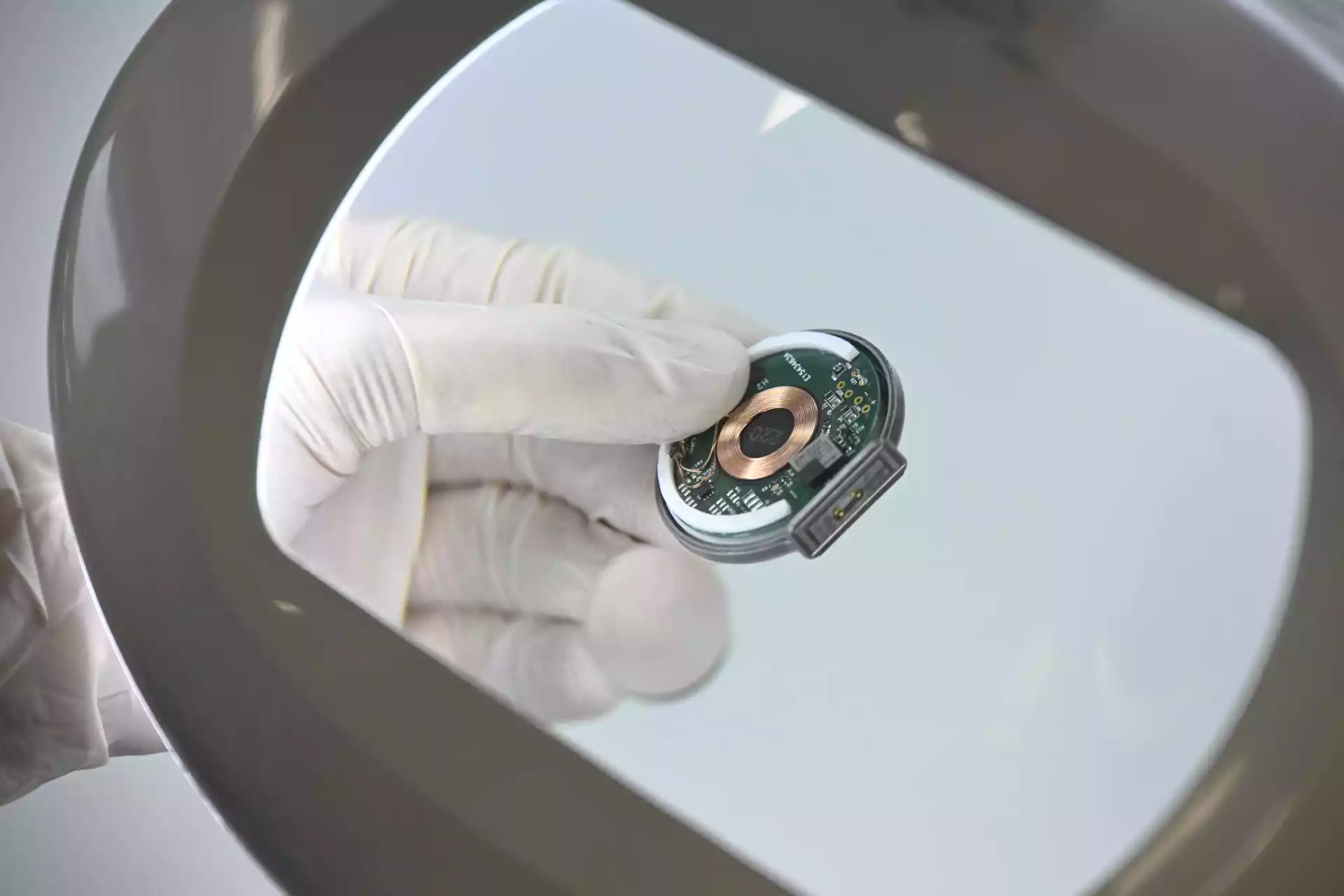

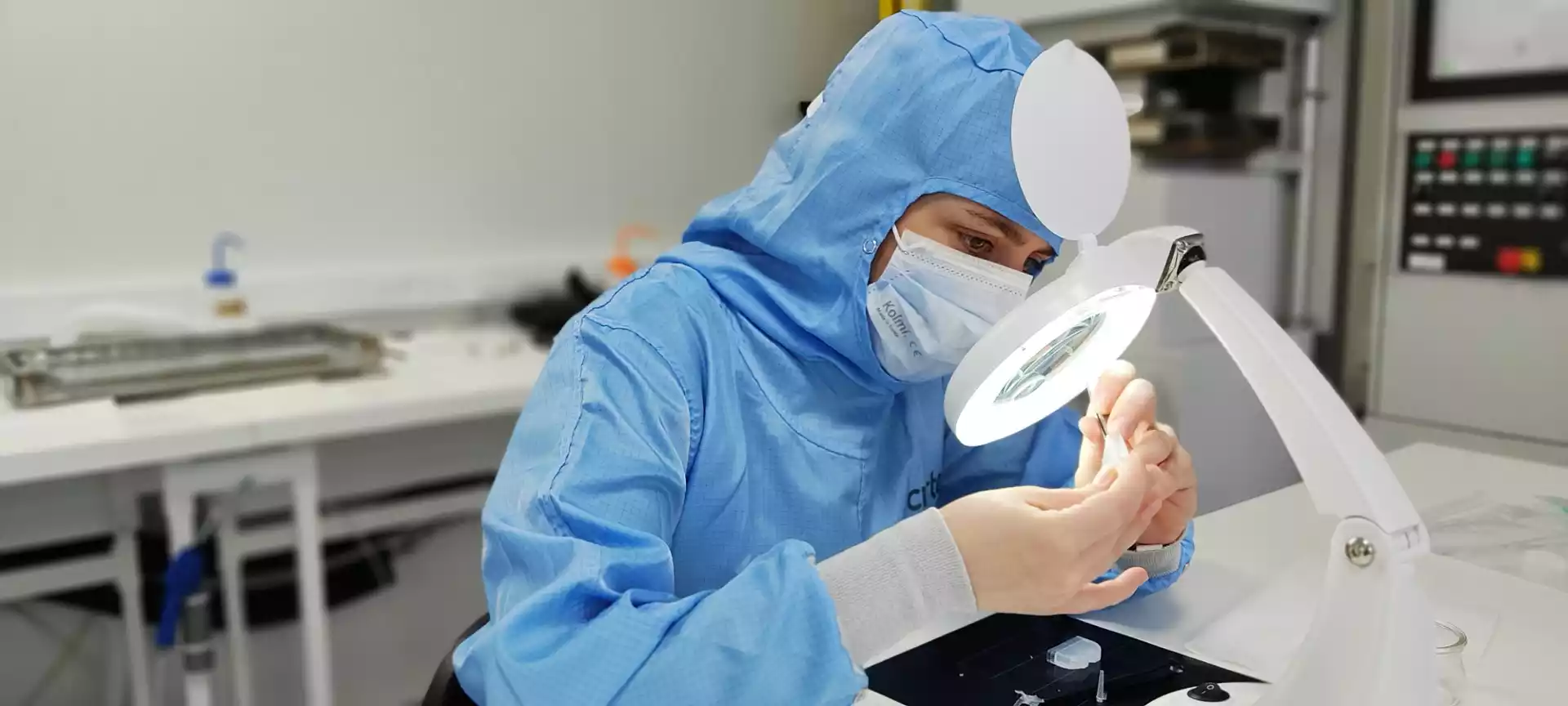

Active implantable medical devices must operate for long periods of time in a particularly demanding environment.
Encapsulation must therefore protect the components from moisture and bodily fluids, while meeting requirements for biocompatibility, mechanical strength, and reliability.
The choice of materials and encapsulation design depends directly on the device’s functions. Titanium, PEEK, or hybrid solutions may be considered, depending on the project’s constraints, the integrated components, and electromagnetic transmission requirements.
Encapsulation must therefore be considered from the earliest stages of design in order to achieve the best balance between protection, performance, integration, and durability.
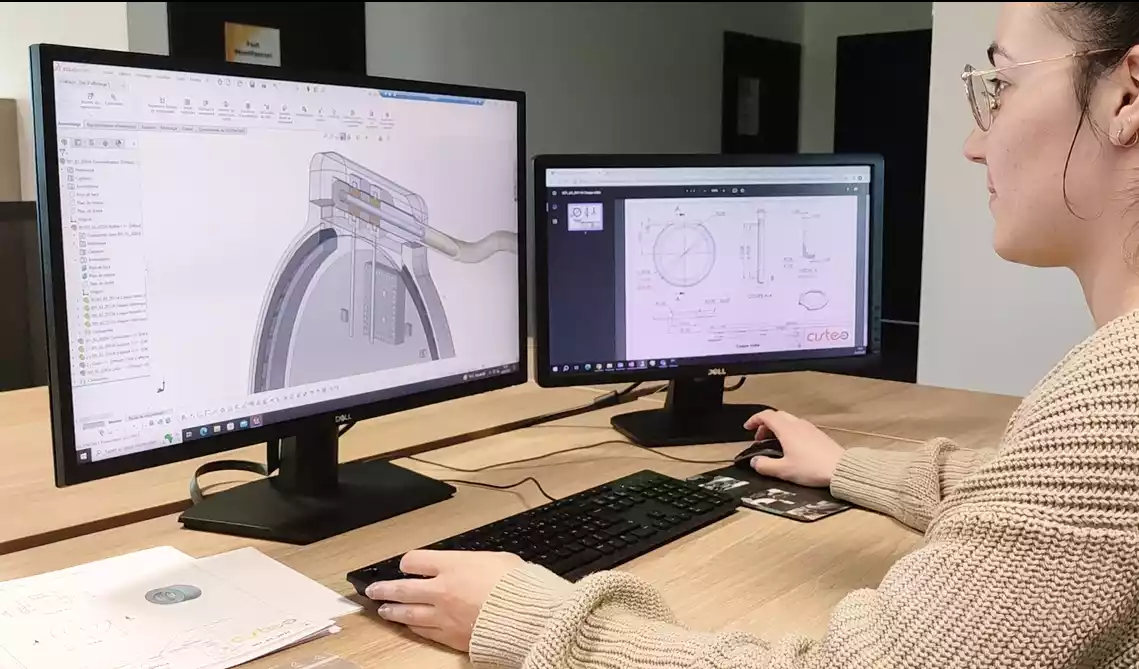
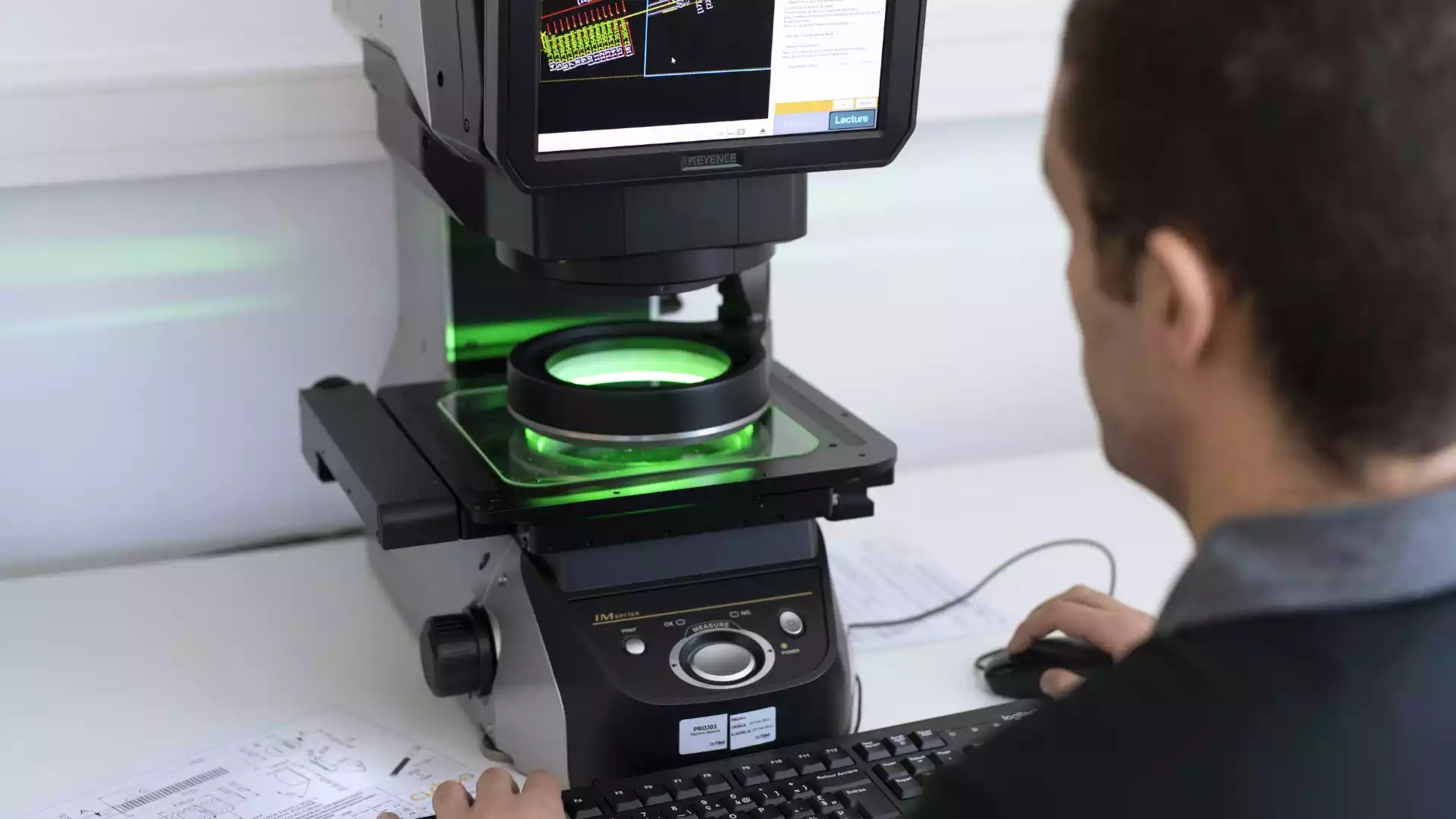
Developing an encapsulation solution requires taking into account all the constraints related to the device and its operating environment.
Cisteo MEDICAL and Tame-Care are working on various aspects, including:
The goal is to develop an encapsulation solution tailored to the architecture and specific functions of each medical device.
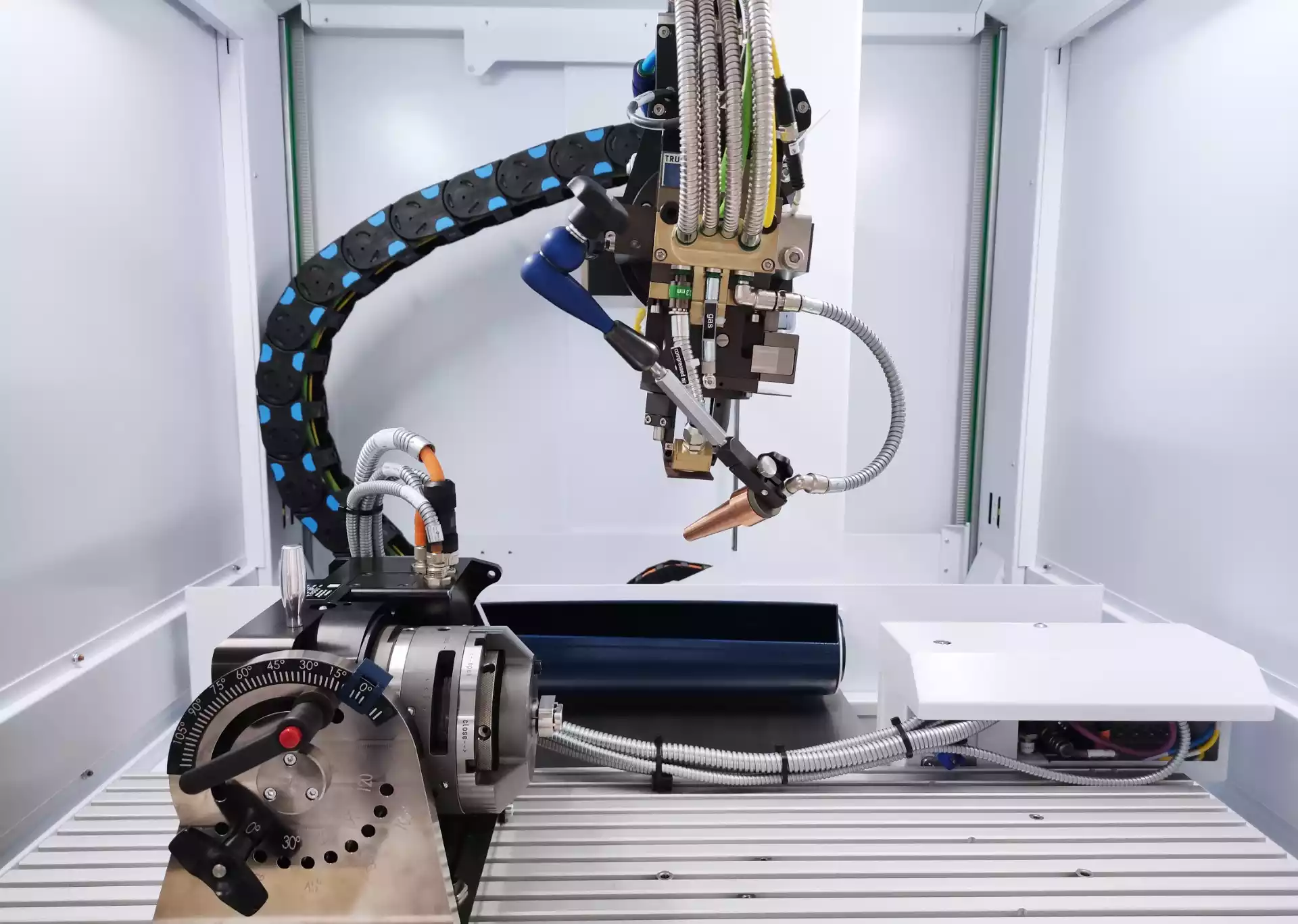
Titanium offers excellent mechanical strength and high resistance to the physiological environment.
It is a solution particularly well-suited for implants that require airtight and durable encapsulation.
One of the key advantages of PEEK is that it is transparent to electromagnetic waves, which can facilitate the integration of wireless communication or power transfer functions.
Cisteo MEDICAL supports projects involving implantable medical devices by helping to develop and integrate encapsulation solutions tailored to their specific requirements.
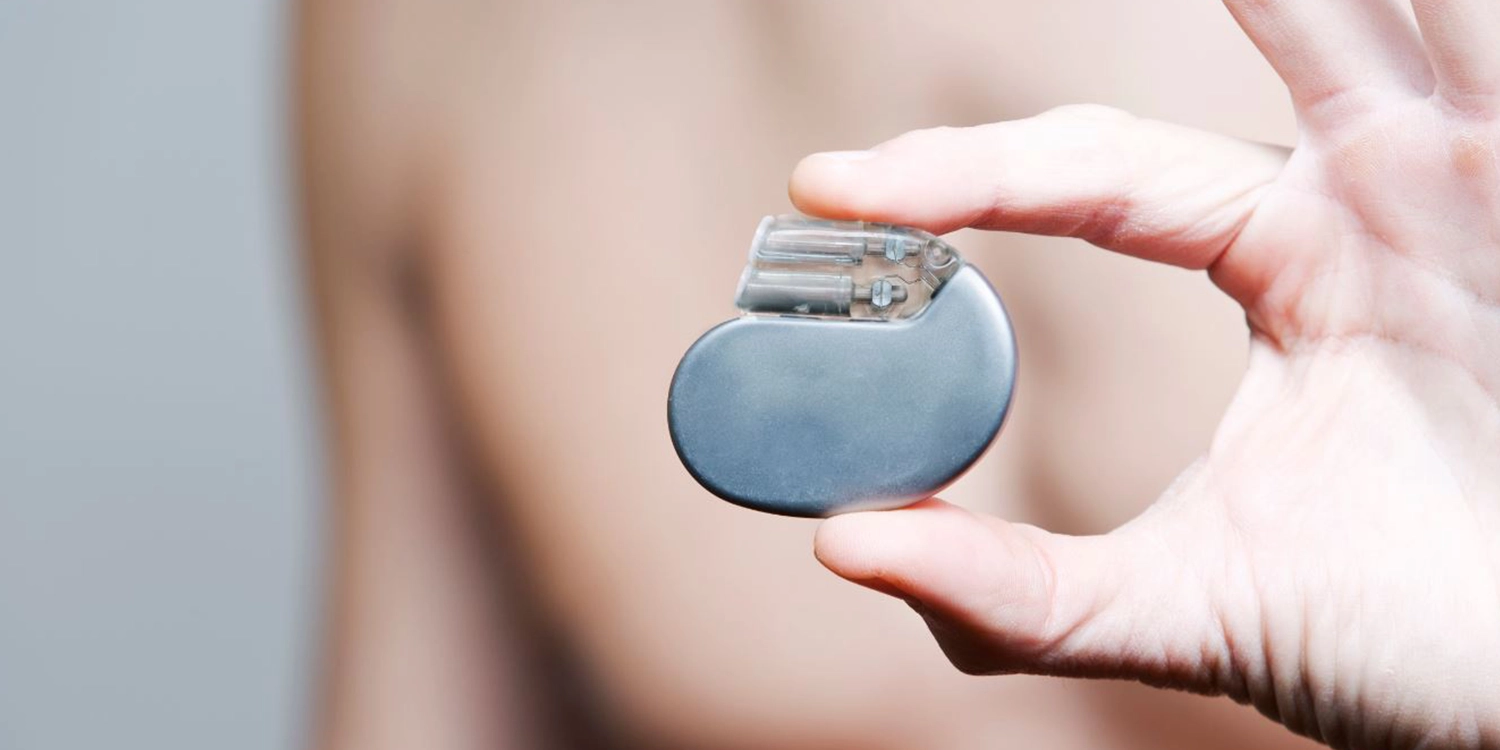
The development of encapsulation solutions draws on the complementary expertise of Cisteo MEDICAL and Tame-Care.
Cisteo MEDICAL brings its expertise in mechanical design, materials, integration, encapsulation, industrialization, and manufacturing of active implantable medical devices.
Tame-Care contributes its expertise in medical electronics, power management, and technologies for active medical devices.
Are you interested in incorporating innovative encapsulation or energy transfer technologies into your device?
The teams at Cisteo MEDICAL and Tame-Care are here to support you in developing your project.